
Day 37 — Renewal and Return
Restoration Begins with Obedience
However you can engage today, we’re here. Read, listen or both.
The written portion gives an overview, with verses broken down into smaller bites, and journaling/prayer prompts for reflection. In the podcast, Steve Traylor reflects on today’s passage with Scripture reading, a deeper pastoral teaching, and prayer (about 15 minutes). Perfect for morning coffee, commutes, or when your eyes need a rest.
Genesis 35:1–29
Step into this day with humble expectation.
Jacob has been living at Shechem, away from Bethel where God called him. His daughter has been violated. His sons have committed mass murder. And now—God speaks: “Go up to Bethel.”
If you’ve been living in compromise, settled in a place God never intended for you, this passage is for you.
God does not abandon His people in their failure. He calls them home. And when they respond, He renews His covenant.
Today we see: the God who calls us back is the God who restores us—even when we’ve wandered far from where He wanted us to be.

1. Command and Cleansing
Genesis 35:1–8
God said to Jacob, “Arise, go up to Bethel, and live there. Make there an altar to God, who appeared to you when you fled from the face of Esau your brother.”
2 Then Jacob said to his household, and to all who were with him, “Put away the foreign gods that are among you, purify yourselves, and change your garments. 3 Let’s arise, and go up to Bethel. I will make there an altar to God, who answered me in the day of my distress, and was with me on the way which I went.”
4 They gave to Jacob all the foreign gods which were in their hands, and the rings which were in their ears; and Jacob hid them under the oak which was by Shechem. 5 They traveled, and a terror of God was on the cities that were around them, and they didn’t pursue the sons of Jacob. 6 So Jacob came to Luz (that is, Bethel), which is in the land of Canaan, he and all the people who were with him. 7 He built an altar there, and called the place El Beth El; because there God was revealed to him, when he fled from the face of his brother. 8 Deborah, Rebekah’s nurse, died, and she was buried below Bethel under the oak; and its name was called Allon Bacuth.
God said to Jacob: “Arise, go up to Bethel.”
Not a suggestion. Not a gentle invitation. A command.
Jacob had been living at Shechem—a place of compromise, of settling where God never told him to settle. And the consequences had been catastrophic: rape, murder, the danger of retaliation.
But God does not leave him there. He calls him back to Bethel—the place where God first appeared to him, where He made promises.
And Jacob responds with obedience.
But first—purification.
“Put away the foreign gods,” Jacob tells his household. These were literal idols his family had kept—perhaps Rachel’s household gods (Genesis 31:19), perhaps others collected along the way. Physical objects of worship that competed with the one true God.
Spiritual renewal requires putting away what competes with God. For Jacob’s family, these were tangible idols to be buried. For us, the principle remains: anything that competes with God for our heart’s devotion must be put away.
They buried the idols under the oak at Shechem. Left them behind. And then they journeyed to Bethel.
And God protected them.
“A terror of God was on the cities that were around them, and they didn’t pursue the sons of Jacob.”
Jacob’s sons had made them vulnerable—they were hated, outnumbered, exposed. But God put His own fear on the surrounding nations so that no one pursued them.
This is God’s grace: protecting His people even when their sin has made them vulnerable.
Journaling/Prayer: Where have you settled in a place God never intended for you? What “foreign gods”—what idols, what distractions, what compromises—are you still holding onto?
If you’re living in spiritual compromise right now—removed from where God wants you to be—know this: God does not abandon His covenant people. He is calling you back.
But the call to return requires action.
You cannot carry your idols with you. You cannot hold onto the things that compete with God and expect to meet Him in renewal.
Tell Him: “I’ve been living where You didn’t call me. I’m ready to let go of what I’ve been holding onto. Call me back. I will come.”
He will protect you on the journey home. Even when you feel vulnerable, exposed, undeserving—He will guard you.
2. Covenant and Confirmation
Genesis 35:9–15
9 God appeared to Jacob again, when he came from Paddan Aram, and blessed him. 10 God said to him, “Your name is Jacob. Your name shall not be Jacob any more, but your name will be Israel.” He named him Israel. 11 God said to him, “I am God Almighty. Be fruitful and multiply. A nation and a company of nations will be from you, and kings will come out of your body. 12 The land which I gave to Abraham and Isaac, I will give it to you, and to your offspring after you I will give the land.”
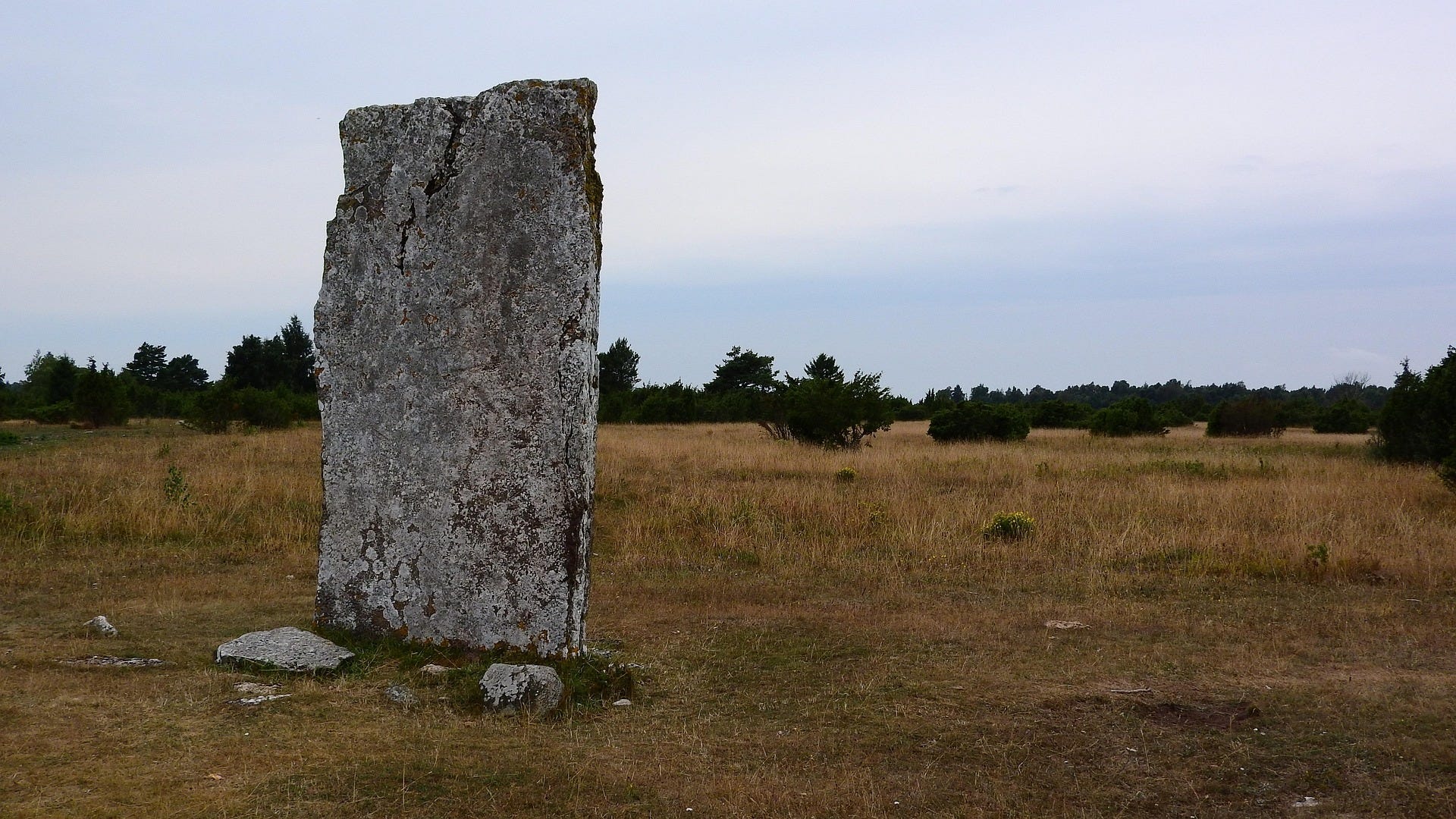
13 God went up from him in the place where he spoke with him. 14 Jacob set up a pillar in the place where he spoke with him, a pillar of stone. He poured out a drink offering on it, and poured oil on it. 15 Jacob called the name of the place where God spoke with him “Bethel”.
God appeared to Jacob again.
And He blessed him.
Not because Jacob deserved it. Not because Jacob had been faithful all along. But because God is faithful to His covenant.
He confirms Jacob’s new name: “Your name shall not be Jacob any more, but your name will be Israel.”
This is not a new revelation. God had already renamed him at Peniel (Genesis 32:28). But now, in this moment of renewal, God reaffirms it.
Israel. “He who strives with God.” Or “God strives.”
The name of transformation.
Then God speaks the covenant promises: “I am God Almighty. Be fruitful and multiply. A nation and a company of nations will be from you, and kings will come out of your body.”
The same promises God gave to Abraham (Genesis 17:1–8). The same promises God gave to Isaac (Genesis 26:24).
And now—despite Jacob’s failures, despite his compromise, despite his family’s sin—God gives them to Jacob.
Because God’s covenant does not depend on our perfection. It depends on His faithfulness.
Jacob sets up a pillar. Pours out a drink offering. Pours oil on it. And names the place Bethel—“House of God.”
This is worship. Gratitude for undeserved grace.
Journaling/Prayer: Where in your life do you need God to reaffirm His promises? Where do you doubt that His covenant still holds because of your failures?
If you’ve wandered, if you’ve compromised, if you feel like you’ve forfeited God’s blessings—hear this:
God’s promises do not depend on your consistency. They depend on His character.
He is God Almighty—El Shaddai—the One who has all power and all authority. And He is faithful.
When you return to Him, He does not withhold His covenant. He renews it.
Tell Him: “I don’t deserve Your promises. But I’m asking You to remind me that they still stand. Help me trust that You are faithful even when I have not been.”
He will confirm His Word to you. Not because you’ve earned it. But because He is who He says He is.
3. Sorrow and Sovereignty
Genesis 35:16–29
16 They traveled from Bethel. There was still some distance to come to Ephrath, and Rachel travailed. She had hard labor. 17 When she was in hard labor, the midwife said to her, “Don’t be afraid, for now you will have another son.”
18 As her soul was departing (for she died), she named him Benoni, but his father named him Benjamin. 19 Rachel died, and was buried on the way to Ephrath (also called Bethlehem). 20 Jacob set up a pillar on her grave. The same is the Pillar of Rachel’s grave to this day. 21 Israel traveled, and spread his tent beyond the tower of Eder. 22 While Israel lived in that land, Reuben went and lay with Bilhah, his father’s concubine, and Israel heard of it.
Now the sons of Jacob were twelve. 23 The sons of Leah: Reuben (Jacob’s firstborn), Simeon, Levi, Judah, Issachar, and Zebulun. 24 The sons of Rachel: Joseph and Benjamin. 25 The sons of Bilhah (Rachel’s servant): Dan and Naphtali. 26 The sons of Zilpah (Leah’s servant): Gad and Asher. These are the sons of Jacob, who were born to him in Paddan Aram. 27 Jacob came to Isaac his father, to Mamre, to Kiriath Arba (which is Hebron), where Abraham and Isaac lived as foreigners.
28 The days of Isaac were one hundred eighty years. 29 Isaac gave up the spirit and died, and was gathered to his people, old and full of days. Esau and Jacob, his sons, buried him.
They traveled from Bethel.
And on the way to Ephrath, Rachel went into labor.
Hard labor. Difficult, agonizing labor.
She gives birth to a son—her second, the one she had longed for. But the cost is her life.
As her soul was departing, she named him Benoni—“son of my sorrow.”
But Jacob renamed him Benjamin—“son of my right hand.”
Rachel dies. Jacob buries her on the way to Bethlehem. He sets up a pillar to mark her grave.
And the narrative moves on.
Because this is the reality of living in a fallen world: Even in the midst of God’s renewal, there is loss. Even when God is faithful, there is sorrow.
Then the text records more tragedy: Reuben, Jacob’s firstborn, sleeps with Bilhah, his father’s concubine. A shameful, devastating sin—and more than that, a calculated power-grab for family preeminence. This act will later cost Reuben his birthright and leadership among his brothers (Genesis 49:3-4).
And then the chapter closes with the death of Isaac.
One hundred and eighty years. Jacob and Esau bury their father together.
This chapter holds both covenant renewal and crushing grief.
God’s faithfulness does not mean the absence of pain. It means His presence in the midst of it.
Journaling/Prayer: Where are you experiencing loss even while trusting God’s promises? How do you hold both grief and faith at the same time?
If you’re in a season where God is working but there is also pain, where renewal and sorrow coexist, and you don’t know how to hold both—you are not alone.
Jacob experienced both.
God reaffirmed His covenant. And Rachel died. God protected his family. And Reuben sinned. God was faithful. And Isaac died.
God’s sovereignty does not erase sorrow—it redeems it.
Rachel’s grave became a marker of both loss and hope. She died giving birth to Benjamin—and through Benjamin’s line, God’s purposes would continue.
Tell God: “I don’t understand why there is still pain even when You are at work. But I choose to trust that You are sovereign even in my sorrow. Help me hold both grief and faith.”
He will not abandon you in your loss. He will walk with you through it.
Summary
Today we saw God’s faithfulness across a chapter marked by both renewal and sorrow:
Jacob returns to Bethel in obedience, putting away idols and responding to God’s call. God reaffirms His covenant, renaming Jacob as Israel and promising a nation, kings, and land.
But there is also loss: Rachel dies in childbirth. Reuben commits a shameful sin. Isaac dies.
Both are true. God is faithful. And life is hard.
The covenant does not depend on our perfection—it depends on God’s character. His promises do not change when we fail—they stand because He is unchanging.
And this points us forward: Through Jacob’s line—through Judah, one of the twelve sons listed here—would come the ultimate fulfillment of God’s promise: Jesus Christ, the King of Kings, born in Bethlehem where Rachel was buried, who would bring God’s covenant blessing to all nations.
Renewal does not mean the absence of pain. It means God’s presence in the midst of it.
Action / Attitude for Today
Walk through today holding this truth: God calls you back, even when you’ve wandered.
If you’ve been living in spiritual compromise, settled where God never intended you to be, choose today to respond to His call to return.
If you’re holding onto idols—whatever competes with God for your heart—choose today to let them go.
Say this simple prayer: “God, I’ve been living away from where You want me. I’m ready to come back. Show me what I need to release. Renew Your covenant with me. I don’t deserve it, but I’m asking for Your grace.”
That’s enough.
Because the God who called Jacob back to Bethel is the same God who renews His covenant with those who return.
He sees your wandering. And He still calls you home.
When you come back, He will be there waiting.
The Bible for the Broken is published by Aurion Press LLC. © Aurion Press LLC. All rights reserved.